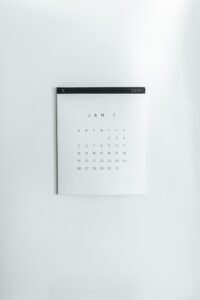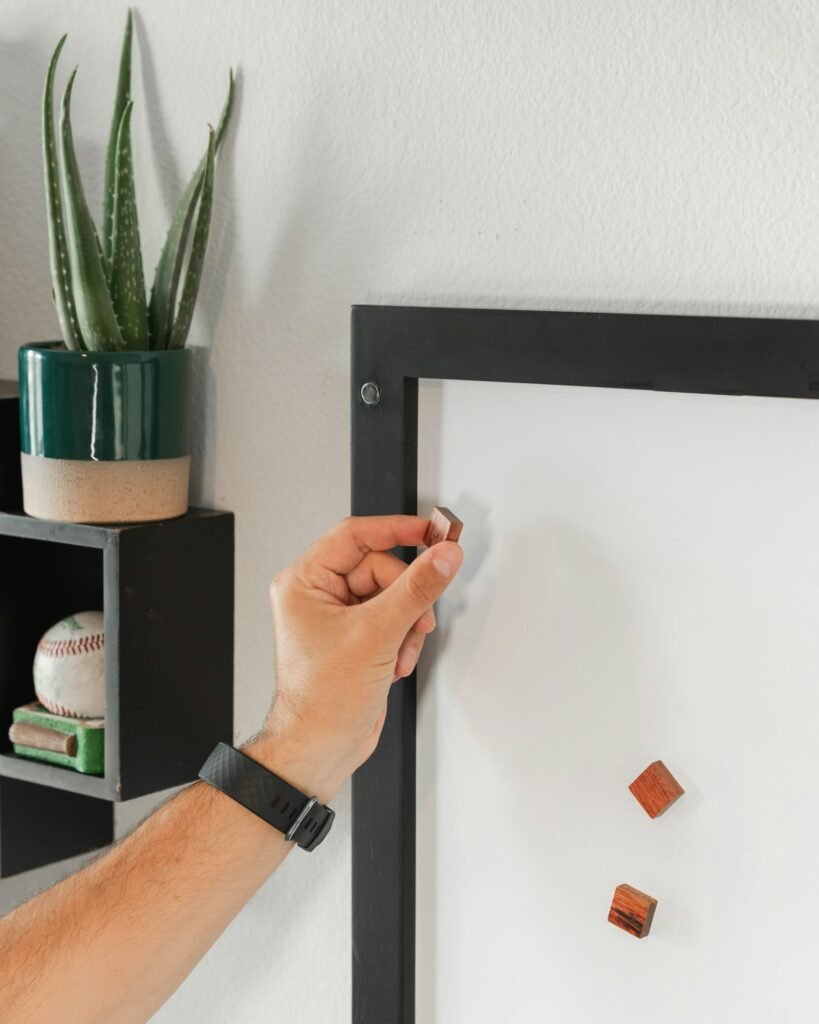
A magnetic board combines a dry-erase writing surface with the ability to hold notes and documents with magnets, giving you two organizing tools in one mount. By the end of this guide, you’ll have it hung and set up with both functions actually being used.
What You’ll Need
- A magnetic board — VIZ-PRO Magnetic Dry Erase Board, 36 x 24 Inches is a solid full-size wall-mounted option
- A flexible option like the Magnetic Dry Erase Fridge Whiteboard Sheet if you want a surface for a metal filing cabinet or other magnetic surface instead of a wall mount
- Dry erase markers and an eraser
- Magnets sized appropriately for what you’re posting (paper vs. thicker items)
Step-by-Step Instructions
Step 1: Decide between wall-mounted and surface-adhered
A rigid wall-mounted board needs mounting hardware and a stud or anchor; a flexible magnetic sheet can stick to any existing metal surface like a filing cabinet without new hardware.
Step 2: Mount or apply the board
For wall-mounted boards, use a level and appropriate anchors for the weight; for flexible sheets, clean the target metal surface first so the sheet adheres fully and evenly.
Step 3: Divide the surface mentally into writing and magnet zones
Rather than mixing dry-erase writing and magnetic notes randomly, decide on rough areas for each so the board stays legible instead of becoming visually cluttered.
Step 4: Test magnet strength before committing
Confirm your magnets hold securely on the specific board before pinning anything important — magnet strength varies enough between products that a quick test avoids items falling off later.
Step 5: Set a schedule for clearing old magnetic items
Just like pinned corkboard items, magnetically held notes and documents accumulate — a periodic review keeps the board current rather than cluttered.
Tips for Best Results
- Test magnet strength on your specific board before relying on it for anything important
- Keep writing and magnet-held items in separate zones for legibility
- Clean the surface with isopropyl alcohol for stubborn dry-erase ghosting, same as a standard whiteboard
- A flexible magnetic sheet is a good no-drilling option if you already have a metal surface like a filing cabinet nearby
Common Problems
The most common issue is magnets not holding as well as expected, especially on thinner or lower-quality magnetic boards. If items keep sliding off, switch to stronger rare-earth magnets rather than assuming the board itself is defective — magnet strength varies significantly by product.
Frequently Asked Questions
Why do my magnets keep sliding off the board?
This usually means the magnets aren’t strong enough for the board’s magnetic backing — switching to stronger rare-earth magnets often solves it without needing a different board.
Can I use a magnetic sheet instead of a mounted board?
Yes — a flexible magnetic dry-erase sheet can stick to any existing metal surface like a filing cabinet, avoiding the need for wall mounting hardware entirely.
How do I stop dry-erase ghosting on a magnetic board?
The same fix as any whiteboard — erase writing within a few days rather than letting it sit, and use isopropyl alcohol on a microfiber cloth for stubborn marks.
Can a magnetic board hold both writing and papers at once?
Yes, most magnetic dry-erase boards support both — just keep writing and magnet-held items in separate zones so the board stays legible.
Conclusion
A magnetic board earns its dual-purpose design only if you actually use both functions with some organization — otherwise it just becomes a cluttered mix. Ready to upgrade? Check our Best Magnetic Boards guide for a full comparison of top picks.