A small entry alarm on your home office door or window is a cheap way to know the moment someone opens it while you’re deep in work or away from your desk. This guide covers what actually matters before you buy, so you get real coverage instead of a single unit that only handles one entry point.
Contact Detection vs. Vibration Sensing
A basic contact alarm triggers when a door or window is physically opened past a certain point. A vibration-sensor alarm can catch an attempt to force or break the window before it’s fully opened, which is worth the extra cost for ground-floor office windows specifically.
Count Your Entry Points Before Buying
A single office door might only need one alarm, but if your office also has a window or a side entrance, a 4-6 unit pack covers all of them for a lower per-unit cost than buying single units repeatedly.
Consider Alert Volume and Tone Options
A loud, jarring siren is a strong deterrent but can be disruptive if it goes off during a client call. Adjustable volume or selectable chime tones give you a noticeable but less startling alert for routine entries.
Check the Range Between Sensor and Where You Sit
If your desk is in a different room from the door or window being monitored, look for a system with a separate sensor and receiver so you can carry or place the receiver near where you actually work.
These Are Notifications, Not a Full Security System
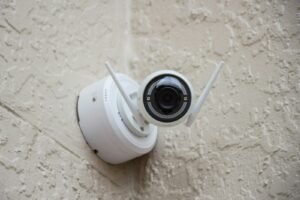
A desktop entry alarm tells you a door or window opened — it doesn’t record video or contact authorities. Pair it with a security camera if you want both a notification and a visual record of what happened.
Our Recommendations
Based on the criteria above, here are our top picks if you want to skip straight to a purchase:
UltraPro Personal Security Window and Door Alarm, 4-Pack
The best all-around pick — a well-reviewed, easy DIY alarm with four units to cover a door and one or two windows for a reasonable total price.
Window Alarm System, 4-Pack (Vibration Sensors)
Worth the higher price for ground-floor office windows — vibration sensors can catch a forced entry attempt before the window is even fully opened.
TECKNET 2-in-1 Alarm & Chime, 6-Pack
The best option if you need to cover an entire office suite — main door, side entrance, and windows — from one purchase, with the highest customer rating in our full comparison.
Quick Tips Before You Buy
- Count every door and window you actually want covered before choosing a pack size
- Get vibration sensors instead of basic contact alarms for ground-floor windows specifically
- Look for adjustable volume or selectable tones if the alarm might go off during a client call
- Check the stated range if your desk isn’t in the same room as the door or window being monitored
- Remember this is a notification device, not a substitute for a security camera if you need a visual record
Ready to Compare Specific Products?
See our full roundup, Best Desktop Alarms for a Home Office in 2026, for the complete comparison across all seven alarms we reviewed.
Frequently Asked Questions
Will a desktop alarm actually deter a break-in?
It’s primarily a notification and mild deterrent — the loud sound alerts you and can startle an intruder, but it doesn’t record evidence or contact authorities the way a monitored security system does.
How many alarm units do I need for a home office?
One per entry point you want covered — a single door might need just one unit, while an office with a door and a window (or two) benefits from a 4-6 pack for better per-unit value.
What’s the difference between contact and vibration sensors?
Contact sensors trigger when a door or window is opened past a set point. Vibration sensors can detect an attempt to force or break the window itself, offering earlier warning before full entry.
Can I adjust the alarm volume or sound?
Several models offer selectable tones and adjustable volume levels, letting you choose a less jarring alert for routine entries rather than a full siren every time.
Do these alarms need Wi-Fi or a subscription?
No — these are simple, standalone DIY units that run on batteries with no Wi-Fi connection or subscription required, unlike a full smart security system.
Conclusion
A desktop alarm is a small, no-subscription way to know the instant someone opens your office door or window — just make sure you buy enough units to cover every entry point you actually care about.