Quick Answer
A drawer lock is a lock mechanism — keyed, combination, or electronic — installed on a desk or cabinet drawer specifically to restrict casual access to whatever’s stored inside.
How It Works
A traditional keyed cam lock rotates a metal cam behind the drawer front when turned, physically blocking the drawer from sliding open. Combination locks use a mechanical dial or electronic keypad instead of a physical key. Installation typically requires drilling a hole sized to the lock’s cylinder, though screw-mount and no-drill adhesive options exist for furniture you don’t want to permanently modify. The lock’s actual security depends heavily on matching it correctly to your drawer’s panel thickness — a mismatch means the lock won’t seat and engage properly even if physically installed.
Benefits
- Restricts casual access to a specific drawer’s contents
- Available in keyed, combination, or keyless smart formats to match your preference
- No-drill adhesive options exist for furniture you don’t want to permanently modify
- Relatively inexpensive compared to a full lockable cabinet or safe
Types of Drawer Locks
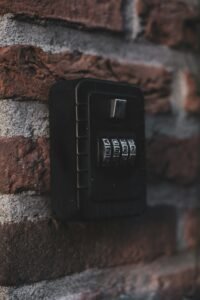
Keyed cam locks are the traditional option, requiring a drilled hole and a physical key. Combination locks remove the key entirely with a resettable numeric code. Smart locks add RFID cards, Bluetooth app access, or fingerprint unlocking, typically mounted with no-drill adhesive for furniture you don’t want to modify.
Who Needs This?
Anyone who wants to deter casual access to a specific drawer — client documents, a checkbook, spare hardware — benefits from a drawer lock, particularly in a shared or semi-public home office space.
Drawer Locks vs. Small Safes
A drawer lock secures one drawer’s contents with a mechanism installed into existing furniture. A small safe is a separate, standalone unit built specifically for security, generally offering stronger protection for genuinely valuable or sensitive items than a drawer lock retrofitted onto furniture not originally designed for security.
Frequently Asked Questions
Do I need to drill a hole to install a drawer lock?
Most keyed cam locks do require a drilled hole sized to the lock’s cylinder diameter; screw-mount and adhesive locks avoid drilling.
What if my file cabinet doesn’t have a lock mechanism at all?
A hasp latch that bolts on externally, paired with any padlock you already own, works on cabinets with no built-in lock cylinder.
Are combination locks less secure than keyed locks?
Not necessarily — a well-made combination lock is comparably secure to a keyed lock for typical home-office purposes, and it removes the risk of losing a physical key.
Can I use a drawer lock on a shared desk?
Yes — a smart lock supporting multiple unlock methods (RFID card, app, passcode) is a practical option if more than one person needs access without sharing a single key or code.
Are drawer locks strong enough for real security?
A drawer lock is a reasonable deterrent for everyday privacy and casual access, but it’s not a substitute for a proper safe if you’re storing cash, legal documents, or anything genuinely high-value.
How do I know what size drawer lock to buy?
Check the lock’s rated panel thickness range against your drawer front’s actual thickness, and confirm the cam length matches your drawer’s depth for proper engagement.
Next Steps
Ready to buy one? See our Best Drawer Locks picks for a full comparison of top-rated options.