Every home office eventually runs out of somewhere to put things — files that need a home, supplies cluttering a shelf, or simply not enough floor or wall space left to work with. This guide brings together everything on SetupLab about storage solutions: product roundups, buying guides, step-by-step setup instructions, troubleshooting, and head-to-head comparisons, organized by the specific storage problem you’re solving.
Why Storage Solutions Matter in a Home Office
Home offices are often carved out of rooms that weren’t designed to be offices, which means storage space is rarely built in. Solving this deliberately — matching the right storage type to the right problem — makes far better use of limited floor, wall, and desk space than accumulating whatever furniture happens to be available.
How to Approach Storage Solutions
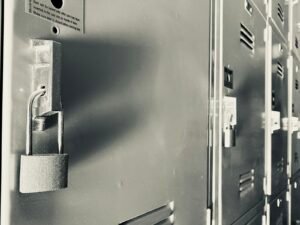
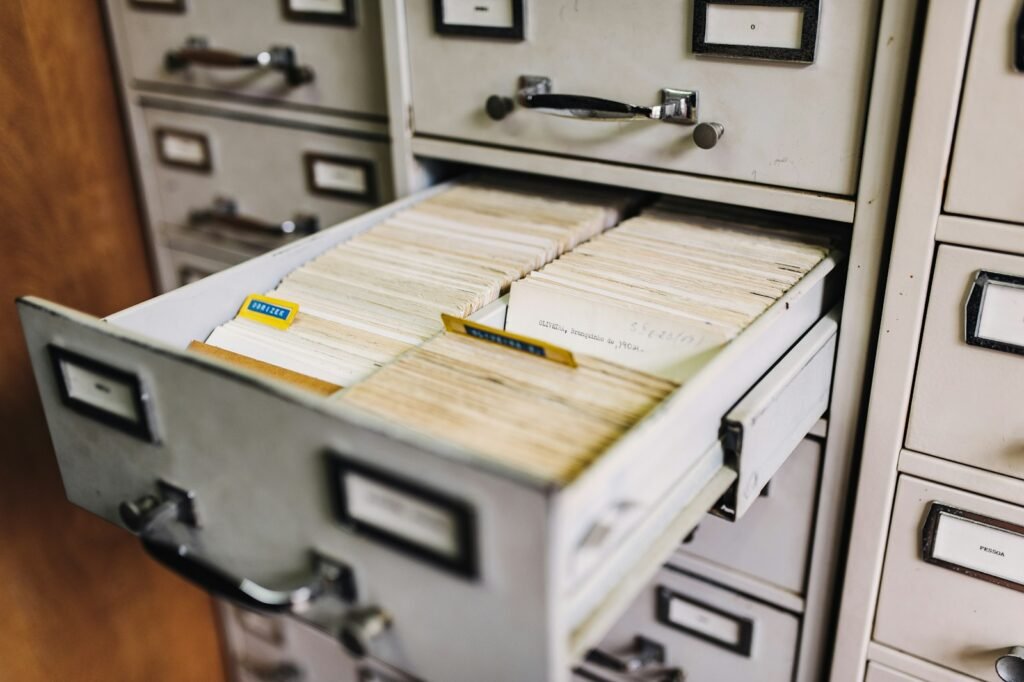
Different storage types trade off differently between floor space, wall space, security, and capacity: rolling file cabinets and vertical towers use floor space but offer real capacity; floating shelves and desktop shelving use wall or desk space instead; small lockers add security; stackable boxes and labeled bins add categorization. Start with whichever resource — floor space, wall space, security, or organization — is your actual constraint.
Best X Roundups: Compare Top-Rated Products
Full product comparisons with real pricing, ratings, and pros/cons for each storage category:
- Best Rolling File Cabinets
- Best Desktop Shelving
- Best Floating Wall Shelves
- Best Vertical Storage Towers
- Best Small Lockers
- Best Stackable Storage Boxes
- Best Hanging File Organizers
- Best Labeled Storage Bins
Buying Guides
Shorter, focused guides on exactly what to check before buying, with our top recommendations:
- Small Lockers Buying Guide
- Stackable Storage Boxes Buying Guide
- Hanging File Organizers Buying Guide
- Labeled Storage Bins Buying Guide
How-To Guides: Step-by-Step Setup
Full setup walkthroughs for each storage type, from measuring your space to safe installation:
- How to Choose and Set Up Rolling File Cabinets
- How to Choose and Set Up Desktop Shelving
- How to Choose and Set Up Floating Wall Shelves
- How to Choose and Set Up Vertical Storage Towers
- How to Choose and Set Up Small Lockers
- How to Choose and Set Up Stackable Storage Boxes
- How to Choose and Set Up Hanging File Organizers
- How to Choose and Set Up Labeled Storage Bins
New to Storage Solutions? Start Here
Plain-language explainers if you’re not sure what a product actually is or does:
- What Is a Rolling File Cabinet?
- What Is Desktop Shelving?
- What Are Floating Wall Shelves?
- What Is a Vertical Storage Tower?
Troubleshooting Common Problems
Already have storage that isn’t working right? Start with these fixes:
- Rolling File Cabinets Not Working? Common Problems and Fixes
- Desktop Shelving Not Working? Common Problems and Fixes
Head-to-Head Comparisons
Not sure which storage type actually solves your specific problem? These comparisons break it down:
- Rolling File Cabinets vs Desktop Shelving
- Floating Wall Shelves vs Vertical Storage Towers
- Small Lockers vs Stackable Storage Boxes
Common Mistakes to Avoid
- Buying one storage type and expecting it to solve floor space, wall space, security, and organization all at once
- Skipping stud-finding or weight-rated anchors when mounting anything to a wall, especially floating shelves
- Not anchoring tall, narrow storage furniture to the wall — a genuine tip-over safety risk, not just a suggestion
- Measuring a storage unit’s footprint but not its full height against ceiling clearance or monitor sightlines
Frequently Asked Questions
Where should I start if I have no storage set up yet?
Identify your actual constraint — floor space, wall space, security, or organization — and start with the storage type built for that specific problem rather than buying whatever’s popular.
Do I need every product in this cluster?
No — most home offices only need 2-3 of these tools together. Read the buying guides and comparisons above to figure out which specific problems you actually have.
How much should a full storage setup cost?
A basic setup covering one shelving unit and some bins can cost under $80 total; a more complete setup adding a file cabinet and locker typically runs $150-250.
How long does it take to set up new storage?
Most items take 15-30 minutes to assemble and position, though wall-mounted options like floating shelves need extra time for measuring, anchoring, and leveling.
Conclusion
Storage solutions for a home office work best as a set matched to your actual space constraints, not one product trying to solve every problem at once. Use the roundups above to pick products, the how-to guides to set them up safely, and the troubleshooting pieces if something isn’t holding up the way it should.